Surviving Childhood Cancer Is Not the End of the Story
More children than ever are surviving childhood cancer. It is a significant medical achievement. But survival comes with a cost.
A recent ABC News article has highlighted a growing concern across Australia’s childhood cancer sector. Many survivors are now living with long-term and chronic health conditions caused by the treatments that saved their lives. These impacts can include heart damage, infertility, cognitive challenges, and ongoing mental health needs.
For families, the end of treatment is not the end of the experience. It is the beginning of a new and often complex phase.
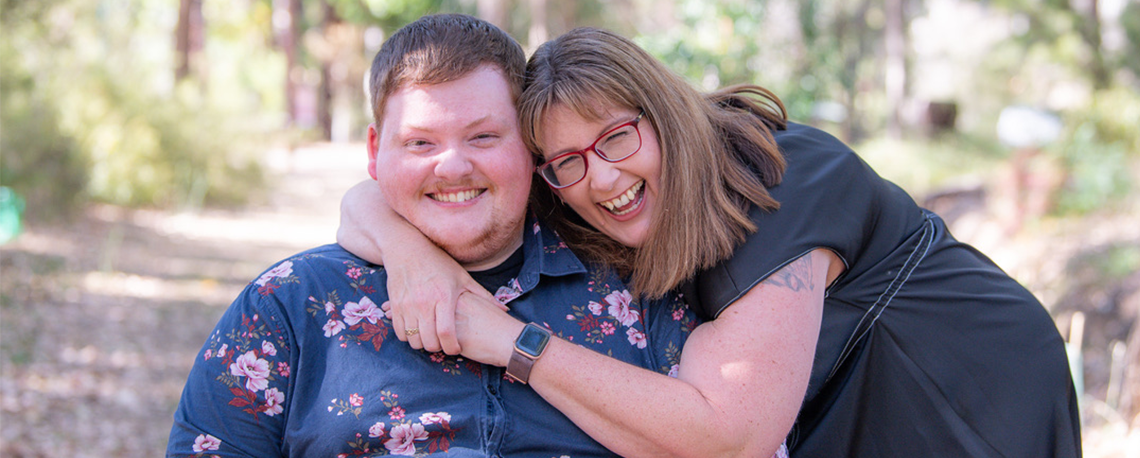
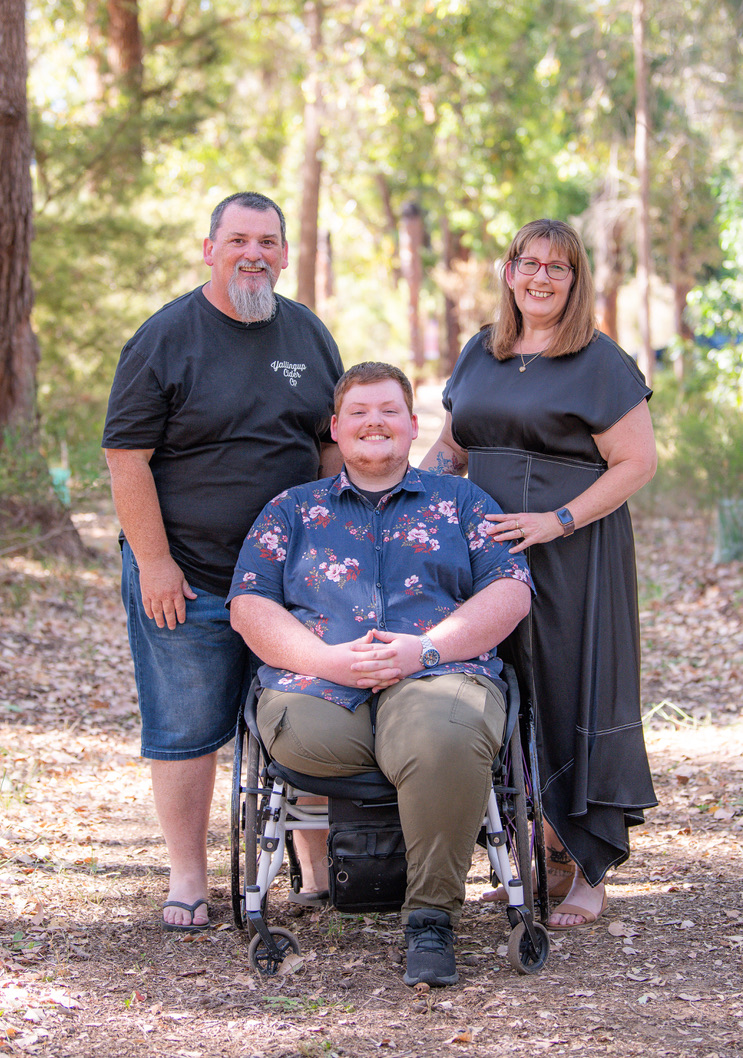 Child Cancer Research Foundation Chair, Tracy Hollington, contributed to this national conversation as part of her role on the Children’s Cancer CoLab Patient and Family Advisory Committee. Tracy brings both professional expertise and lived experience. Her son was diagnosed with Ewing Sarcoma at age 11 and later developed secondary Acute Myeloid Leukaemia as a result of treatment. While now cancer-free, he continues to live with the long-term effects of that treatment.
Her experience reflects what many families face. When treatment ends, support often reduces significantly, leaving families to manage ongoing health concerns, education disruption, and emotional recovery with limited coordination between services.
As Tracy has shared, the transition out of hospital care can feel like a “free fall”. There are services available, but accessing and coordinating them is complex. For families already carrying the trauma of treatment, this adds another layer of pressure.
This is where the gap sits. The current system is heavily focused on acute treatment, but not designed to support the long-term realities of survivorship. As survival rates improve, this gap is becoming more visible and more urgent.
At CCRF, this is a key area of focus. Our work continues to fund research into better, less harmful treatments. At the same time, we are increasing our focus on survivorship, including improving understanding of late effects, advocating for coordinated long-term support, and ensuring lived experience informs future solutions.
Survivorship is not a single moment. It is a lifelong experience. Children who survive cancer deserve the chance to live well beyond it, with a system that supports them not just through treatment, but through life. Read the full ABC News article